seismic wire, also known as geophone cable or seismic sensor cable, is a critical component in monitoring ground movements and detecting seismic activities. It plays a vital role in geophysical surveys, earthquake monitoring, oil exploration, and various other fields where precise and real-time data on ground vibrations are essential. The use of seismic wire has revolutionized the way we understand and monitor the earth’s crust, leading to advancements in seismic research and enhancing our ability to predict and respond to natural disasters.
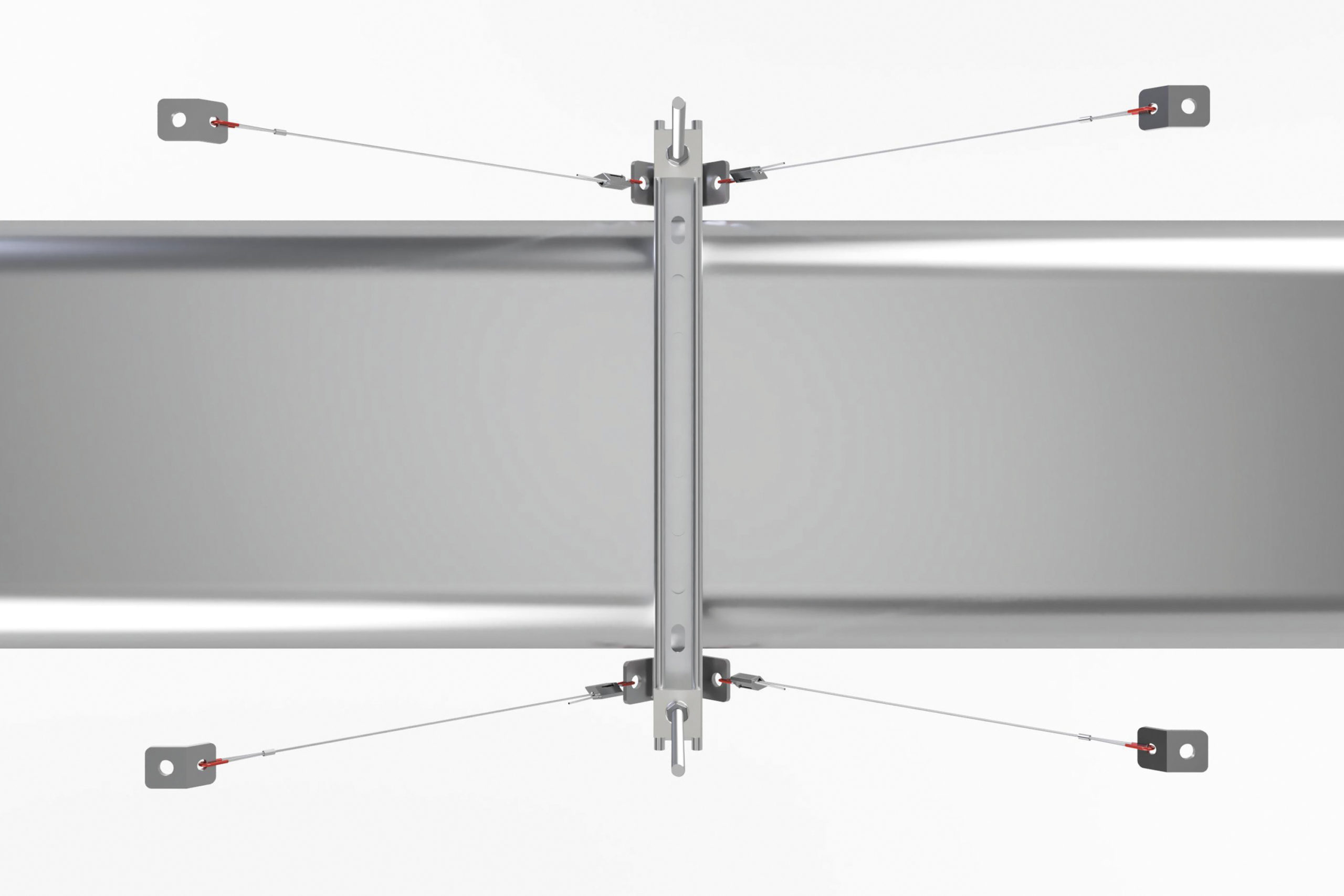
The basic principle behind seismic wire is straightforward yet incredibly powerful. It consists of a series of sensors (geophones) connected by a durable cable that is laid out on the ground or buried beneath the surface. These sensors are designed to detect ground vibrations caused by seismic events, such as earthquakes or underground explosions. When a seismic wave passes through the earth, it causes the ground to vibrate, and these vibrations are picked up by the geophones along the seismic wire. The data collected by the sensors is then transmitted to a central processing unit, where it is analyzed and used to create detailed maps of ground movements.
One of the primary advantages of seismic wire is its ability to provide real-time monitoring of ground vibrations. This real-time data allows scientists and seismologists to quickly detect and analyze seismic events, enabling them to assess the magnitude and location of earthquakes more accurately. By having access to timely information on ground movements, emergency response teams can make informed decisions and take appropriate actions to ensure public safety and mitigate potential damage.
The versatility of seismic wire also makes it an invaluable tool in various industries. In oil and gas exploration, seismic wire is used to map underground structures and identify potential drilling sites. By analyzing the data collected from the sensors, geologists can determine the presence of oil and gas reserves beneath the earth’s surface with great precision. This not only reduces the risk of drilling in unproductive areas but also minimizes the environmental impact of exploration activities.
seismic wire is also widely used in civil engineering projects to monitor ground stability and detect potential hazards. By installing seismic sensors along construction sites or infrastructure projects, engineers can track any ground movements that may occur during excavation or heavy construction work. This proactive approach allows them to address potential risks before they escalate, ensuring the safety of workers and the integrity of the structure being built.
Moreover, seismic wire has proven to be instrumental in earthquake early warning systems, where seconds can make a crucial difference in saving lives. By deploying seismic sensors throughout seismically active regions, authorities can detect the initial waves of an earthquake and alert the population before the more destructive seismic waves arrive. This early warning system has the potential to significantly reduce casualties and damage by giving people precious moments to seek shelter and take protective measures.
In addition to its scientific and practical applications, seismic wire also contributes to our understanding of the earth’s inner workings and the dynamics of seismic activities. By analyzing the data collected by seismic sensors over time, researchers can study the patterns of ground movements, identify potential seismic hotspots, and improve their models for predicting earthquakes. This knowledge is essential for developing effective strategies for earthquake preparedness and disaster management.
Despite its numerous benefits, the effectiveness of seismic wire relies on the quality and durability of the cable and sensors used. High-quality materials and precise manufacturing techniques are crucial to ensure the reliable operation of seismic wire in harsh environments and under extreme conditions. Regular maintenance and calibration of the sensors are also essential to guarantee accurate data collection and minimize false alarms.
In conclusion, seismic wire plays a pivotal role in enhancing ground monitoring, ensuring public safety, and advancing our understanding of seismic activities. Its widespread applications in various fields underscore its importance as a versatile and indispensable tool for geophysical surveys, earthquake monitoring, and environmental assessments. By harnessing the power of seismic wire, we can better prepare for natural disasters, optimize resource exploration, and safeguard critical infrastructure for future generations.